

From Wanda's Notebook

Recipes & Cooking Tips

A peek into the family recipes behind the menu—or let Wanda do the cooking for you.

Difficulty: Moderate · Prep Time: 2 hours

Potato & Onion Pierogi

This is the recipe Wanda learned standing on a kitchen stool, watching her mother fold dough faster than seemed possible. It's simple, but it rewards patience.

Simplified Method

  1. Make a soft dough from flour, water, a pinch of salt, and a spoonful of sour cream. Rest it for 20 minutes.
  2. Boil and mash potatoes, then fold in caramelized onion and a bit of farmer's cheese.
  3. Roll the dough thin, cut into rounds, fill, and pinch the edges shut firmly—a loose seal means a lost dumpling in the boiling water.
  4. Boil until they float, then finish in a hot pan with butter and more onion.

Serving suggestion: A dollop of sour cream and extra caramelized onion on top.

Storage & reheating: Refrigerate up to 4 days, or freeze uncooked on a tray before transferring to a bag. Reheat in a buttered pan, not the microwave, to keep the texture right.

Family note: Pierogi-making was always a group activity in Wanda's family—one person rolling, one cutting, one filling, one pinching. It's still how she makes them today, just usually solo, with the radio on.
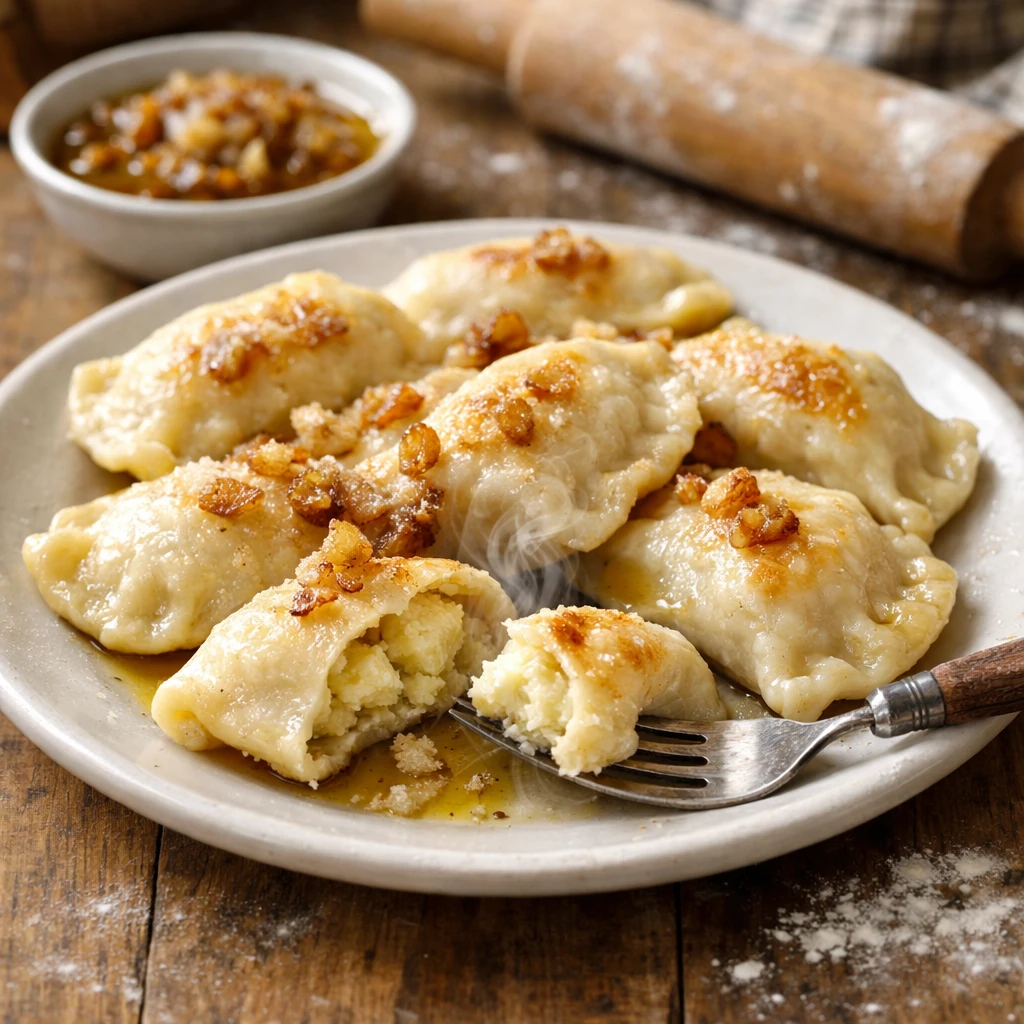
Handmade pierogi dumplings ready to cook

Prefer to leave the cooking to Wanda? Place your order today.
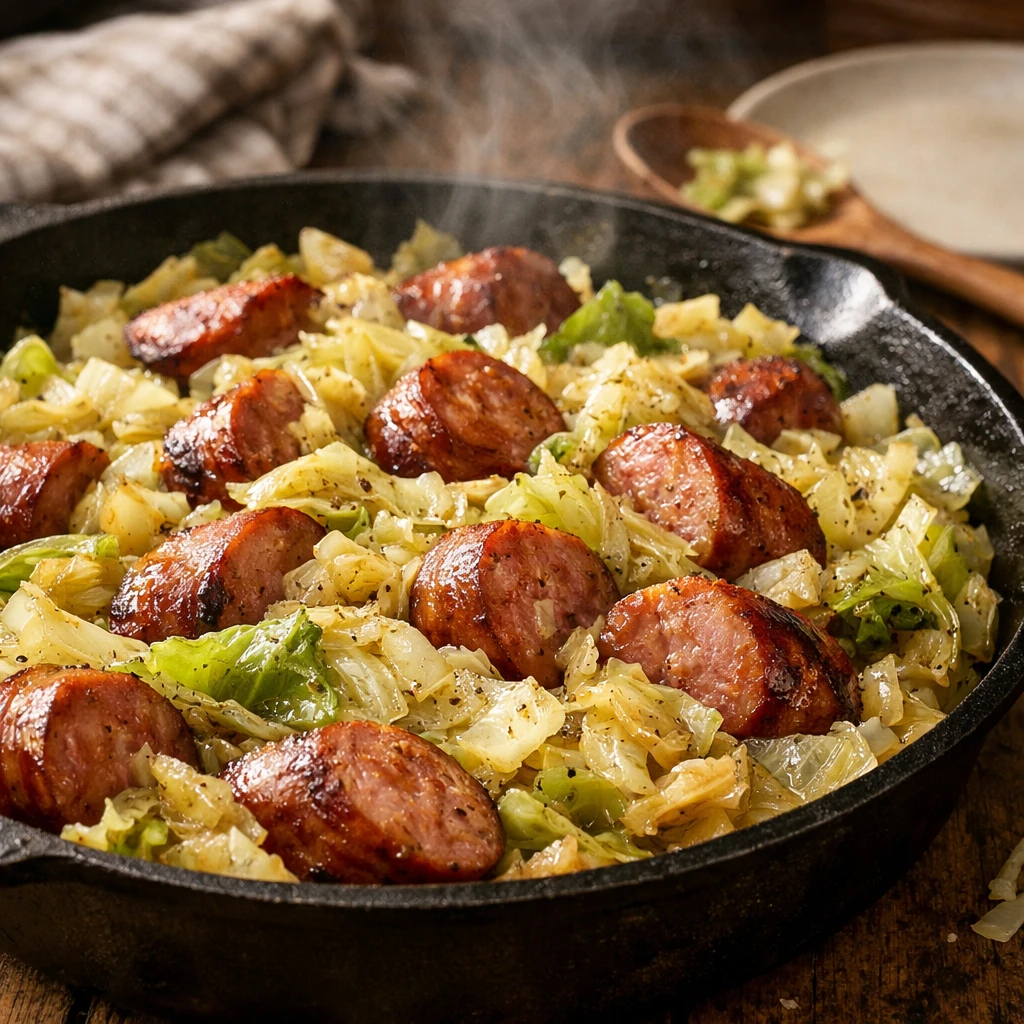
Bigos hunter's stew simmering
Difficulty: Easy · Prep Time: 30 min active, hours to simmer

Bigos (Hunter's Stew)

Bigos is one of those dishes that gets better with time—Wanda often makes a batch a day ahead and lets it sit overnight before serving.

Simplified Method

  1. Brown your meat (a mix of pork and kielbasa works well) in a heavy pot.
  2. Add sauerkraut, fresh shredded cabbage, chopped onion, and a handful of soaked dried mushrooms.
  3. Season with bay leaf, juniper berries, and black pepper. A few prunes add a subtle sweetness that balances the tang of the sauerkraut.
  4. Simmer low and slow—at least 2 hours, longer if you have the time.

Serving suggestion: With crusty bread to soak up the broth.

Storage & reheating: Bigos freezes beautifully and tastes even better reheated the next day. Keeps up to a week refrigerated.

Holiday tradition: Bigos is a hunting-season classic in Poland, traditionally made in large batches to feed a crowd after a day outdoors.

Prefer to leave the cooking to Wanda? Place your order today.
Difficulty: Advanced · Prep Time: 2 days (mostly waiting)

Sourdough Bread

Sourdough rewards patience more than skill. Wanda's starter has been fed and maintained for years—if you're starting your own, give it at least a week before your first loaf.

Simplified Method

  1. Mix active starter, flour, water, and salt into a shaggy dough.
  2. Let it rest, then perform several rounds of gentle folding over a few hours to build strength.
  3. Shape the loaf and let it rise slowly, ideally overnight in the refrigerator for better flavor.
  4. Bake in a very hot, covered pot to trap steam for that crackling crust.

Storage & reheating: Best eaten within 3 days, stored cut-side down on a board. Freezes well sliced—toast straight from frozen.

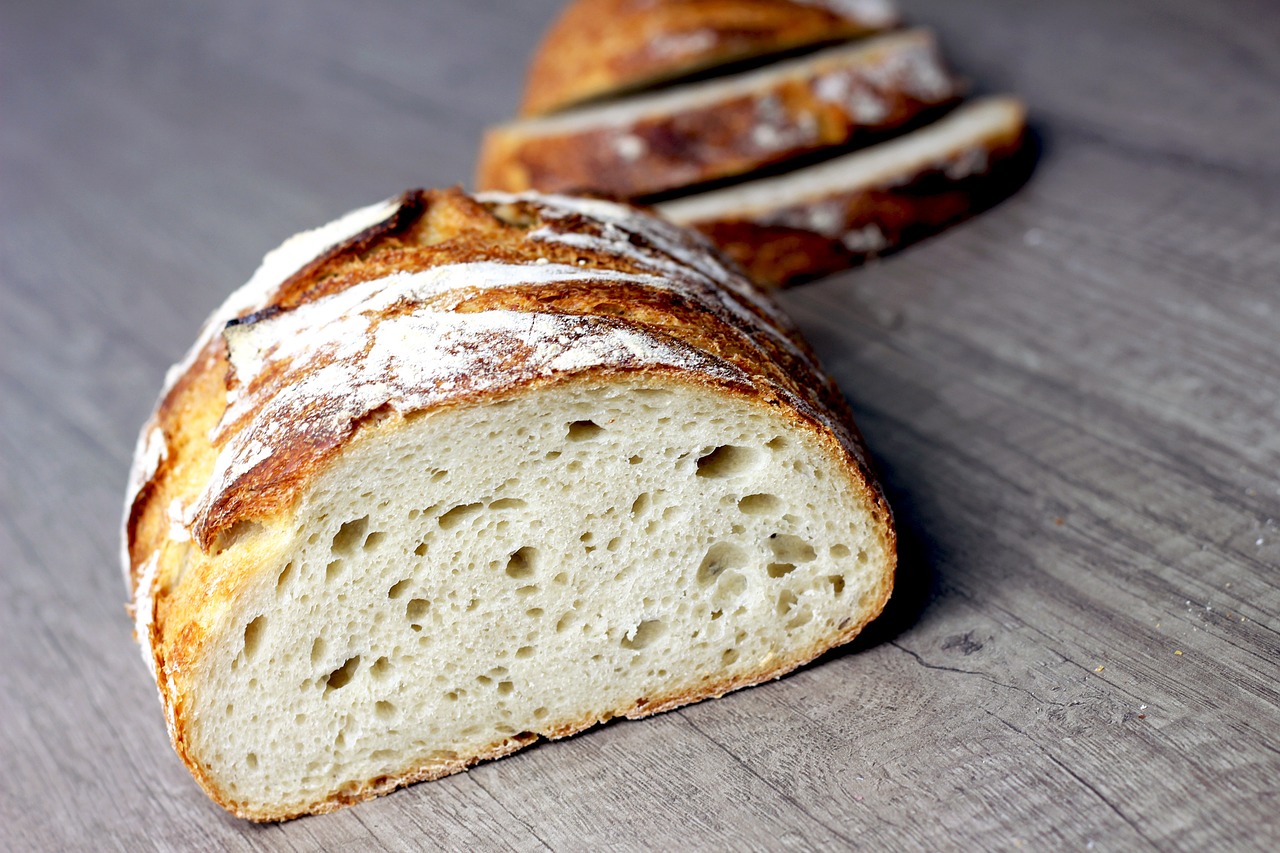
A loaf of sourdough bread sliced open, showing the crumb

Prefer to leave the cooking to Wanda? Place your order today.
Difficulty: Moderate · Prep Time: 1.5 hours, plus chilling

Kołaczki (Polish Jam Cookies)

The cream cheese dough is what sets these apart—it's tender and a little tangy, and it needs a proper rest in the refrigerator before it's workable.

Simplified Method

  1. Beat together cream cheese, butter, and flour into a soft dough. Wrap and chill at least an hour.
  2. Roll thin and cut into small squares.
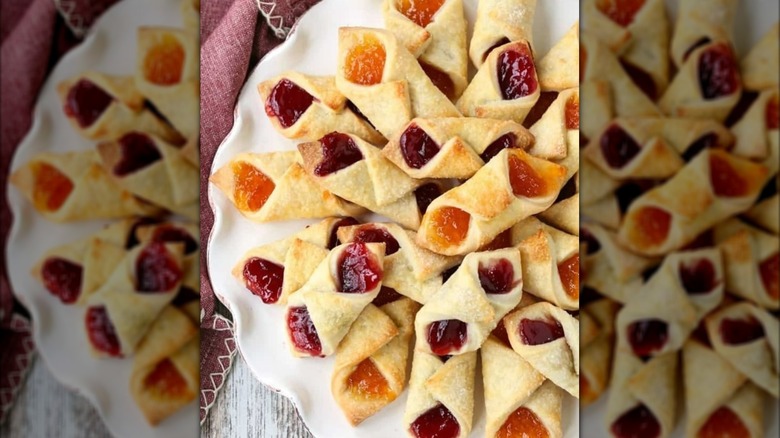
  3. Spoon a small dollop of fruit preserves into the center of each square, then fold two opposite corners up and pinch together.
  4. Bake until just golden at the edges—these go from done to over-baked quickly, so watch closely near the end.

Serving suggestion: A light dusting of powdered sugar once fully cooled.

Storage & reheating: Keeps at room temperature in an airtight container for about a week. No reheating needed—these are meant to be enjoyed at room temperature.

Holiday tradition: A fixture of Polish-American Christmas cookie trays, often made in big batches with several fruit fillings side by side.

Kołaczki Polish jam cookies dusted with powdered sugar

Prefer to leave the cooking to Wanda? Place your order today.
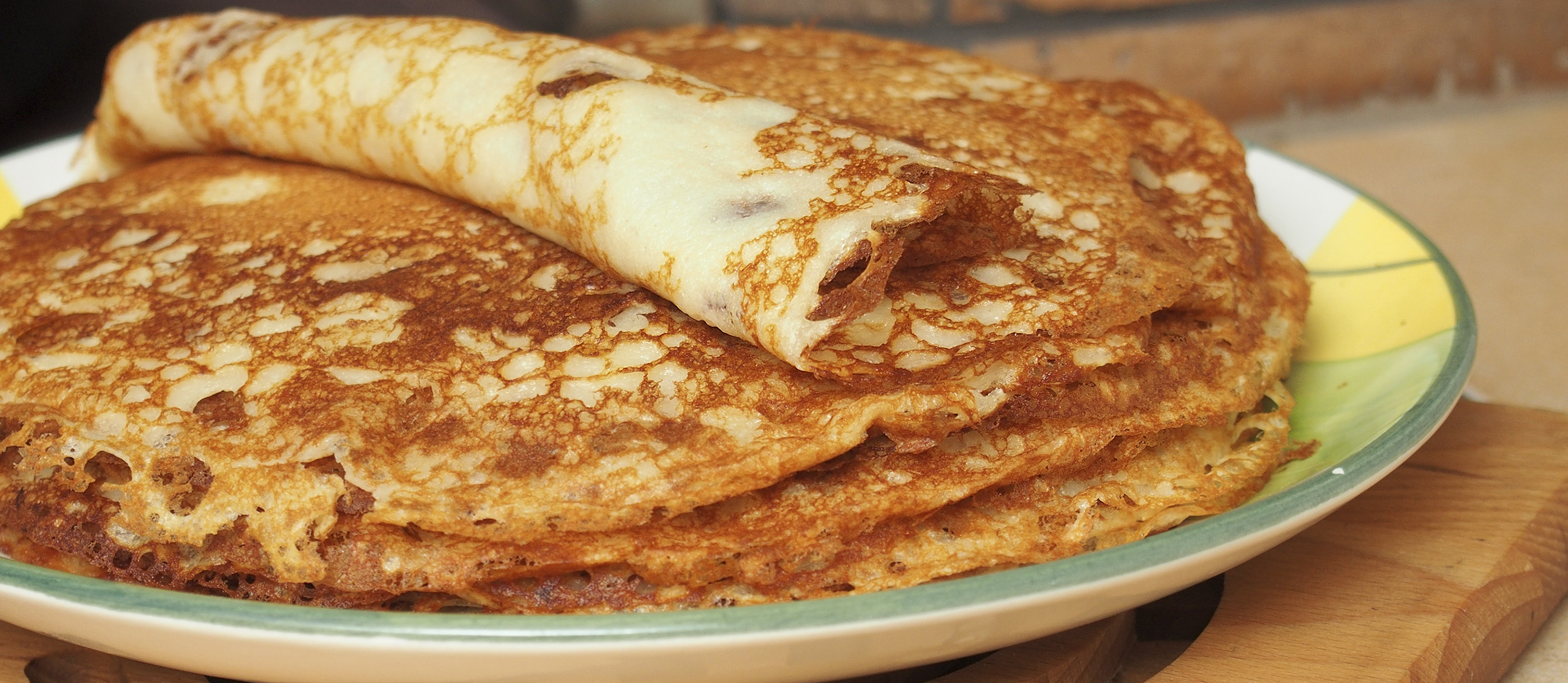
Stack of Polish naleśniki crepes, one rolled
Difficulty: Easy · Prep Time: 30–40 minutes

Naleśniki (Polish Crepes)

These thin crepes are far more forgiving than they look—the main trick is a thin batter and a hot, well-buttered pan.

Simplified Method

  1. Whisk together flour, eggs, milk, and a pinch of salt into a thin, lump-free batter.
  2. Ladle a small amount into a hot, buttered pan, swirling immediately to coat thinly.
  3. Cook until the edges lift, flip briefly, then stack on a plate.
  4. Fill with sweet cheese, fruit preserves, or sautéed mushrooms, then roll or fold.

Serving suggestion: Sour cream for savory fillings; a dusting of powdered sugar for sweet ones.

Storage & reheating: Best fresh, but unfilled crepes keep a day or two refrigerated, stacked with parchment between them. Reheat briefly in a dry pan.

Prefer to leave the cooking to Wanda? Place your order today.

Difficulty: Advanced · Prep Time: 3+ hours, mostly rising

Pączki (Polish Doughnuts)

Pączki are a rich, enriched dough fried rather than baked—getting the oil temperature right matters more than almost anything else in this recipe.

Simplified Method

  1. Make an enriched yeast dough with eggs, butter, and a touch of sugar. Let it rise until doubled.
  2. Roll and cut into rounds, then let them rise again on the counter until puffy.
  3. Fry in oil at a moderate temperature—too hot and the inside stays raw, too cool and they turn greasy.
  4. Fill with preserves once cooled slightly, then dust with powdered sugar.

Serving suggestion: Best the day they're made, alongside strong coffee.

Storage & reheating: Best enjoyed fresh; they don't keep or reheat particularly well, which is part of why they're treated as an occasion food.

Holiday tradition: Traditionally eaten in large quantities on Tłusty Czwartek (Fat Thursday), the last indulgence before Lent.

Polish pączki doughnuts dusted with powdered sugar

Prefer to leave the cooking to Wanda? Place your order today.
Difficulty: Moderate · Prep Time: 3+ hours, mostly rising

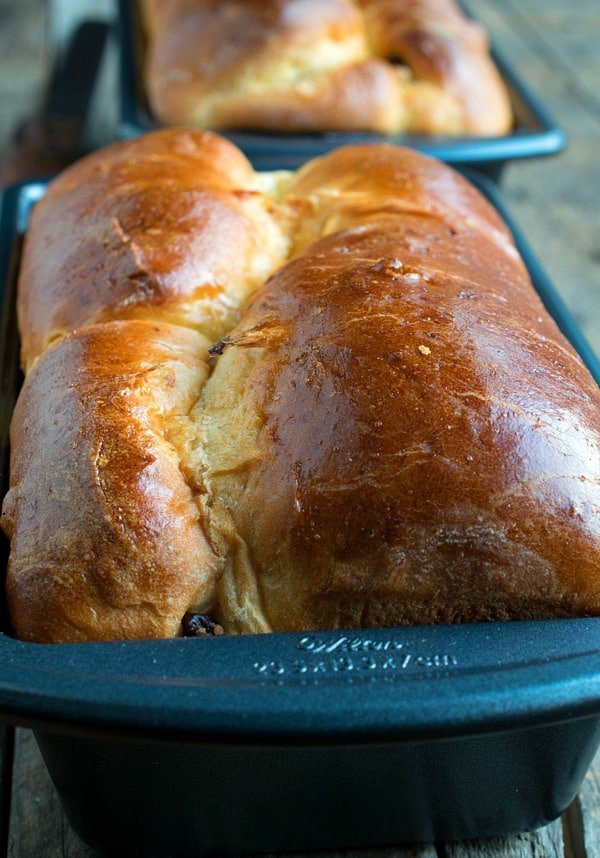
Babka (Polish Sweet Bread)

A soft, lightly sweet yeasted loaf that's as much about patience as technique—the dough needs real time to rise properly.

Simplified Method

  1. Make an enriched dough with butter, eggs, and citrus zest. Let it rise until doubled, about 1.5 hours.
  2. Shape into a loaf pan and let it rise again until it crowns above the pan.
  3. Brush with egg wash before baking for that deep golden, glossy crust.
  4. Bake until a deep golden brown and hollow-sounding when tapped.

Storage & reheating: Keeps well at room temperature, wrapped, for several days. Slices freeze nicely too.

Holiday tradition: A staple of the Easter breakfast table, often part of the basket blessed on Holy Saturday.

Golden baked Babka Polish sweet bread loaves

Prefer to leave the cooking to Wanda? Place your order today.

Rosol chicken noodle soup with carrots in a white bowl
Difficulty: Easy · Prep Time: 2.5–3 hours, mostly simmering

Rosół (Chicken Noodle Soup)

Rosół is less about technique and more about not rushing it—a long, gentle simmer is what builds the clear, deeply flavored broth this soup is known for.

Simplified Method

  1. Place a whole chicken (or bone-in pieces) in a pot with root vegetables, an onion, and water to cover.
  2. Bring to a bare simmer—never a hard boil, which clouds the broth—and cook gently for 2–3 hours.
  3. Strain, season with salt and fresh herbs, and skim any excess fat from the surface.
  4. Serve hot over homemade noodles with shredded chicken and sliced carrot.

Storage & reheating: Freezes very well. Store broth and noodles separately if freezing, since noodles soften over time.

Family note: Traditionally the first course of a Sunday dinner—a soup that signals the meal is a proper occasion.

Prefer to leave the cooking to Wanda? Place your order today.
Difficulty: Easy · Prep Time: 45 minutes, plus resting

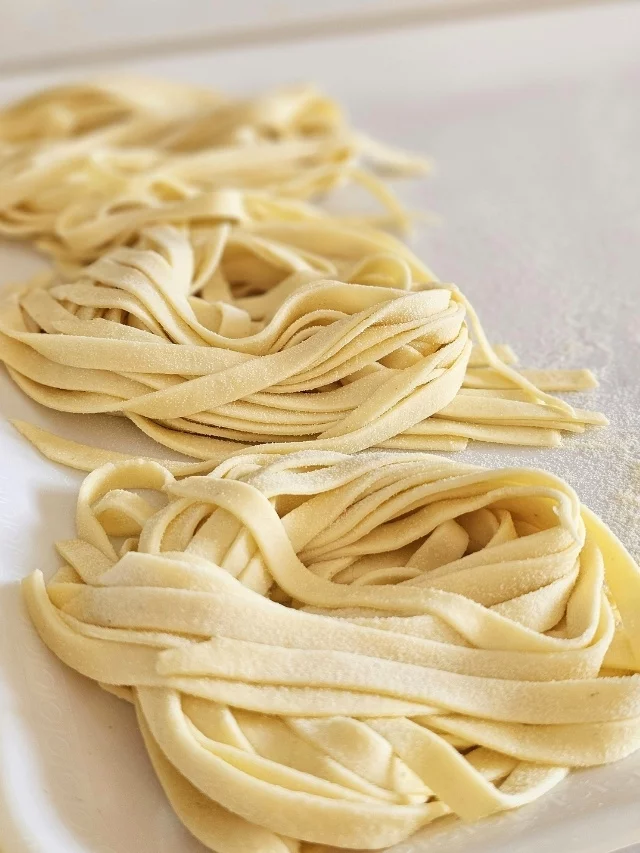
Homemade Noodles (Kluski)

Just flour, eggs, and water—but rolling them thin and letting the dough rest are what make the difference between good noodles and great ones.

Simplified Method

  1. Mix flour, eggs, and a splash of water into a firm dough. Knead until smooth, then rest, covered, for 20 minutes.
  2. Roll out very thin on a well-floured surface.
  3. Let the sheet dry slightly, then roll loosely and slice into thin ribbons.
  4. Cook in boiling water or directly in soup for just a few minutes.

Storage & reheating: Dry uncooked noodles on a towel for a few hours and they'll keep for weeks in an airtight container at room temperature.

Fresh homemade Kluski egg noodles

Prefer to leave the cooking to Wanda? Place your order today.
Difficulty: Moderate · Prep Time: 1.5 hours, plus optional fermenting

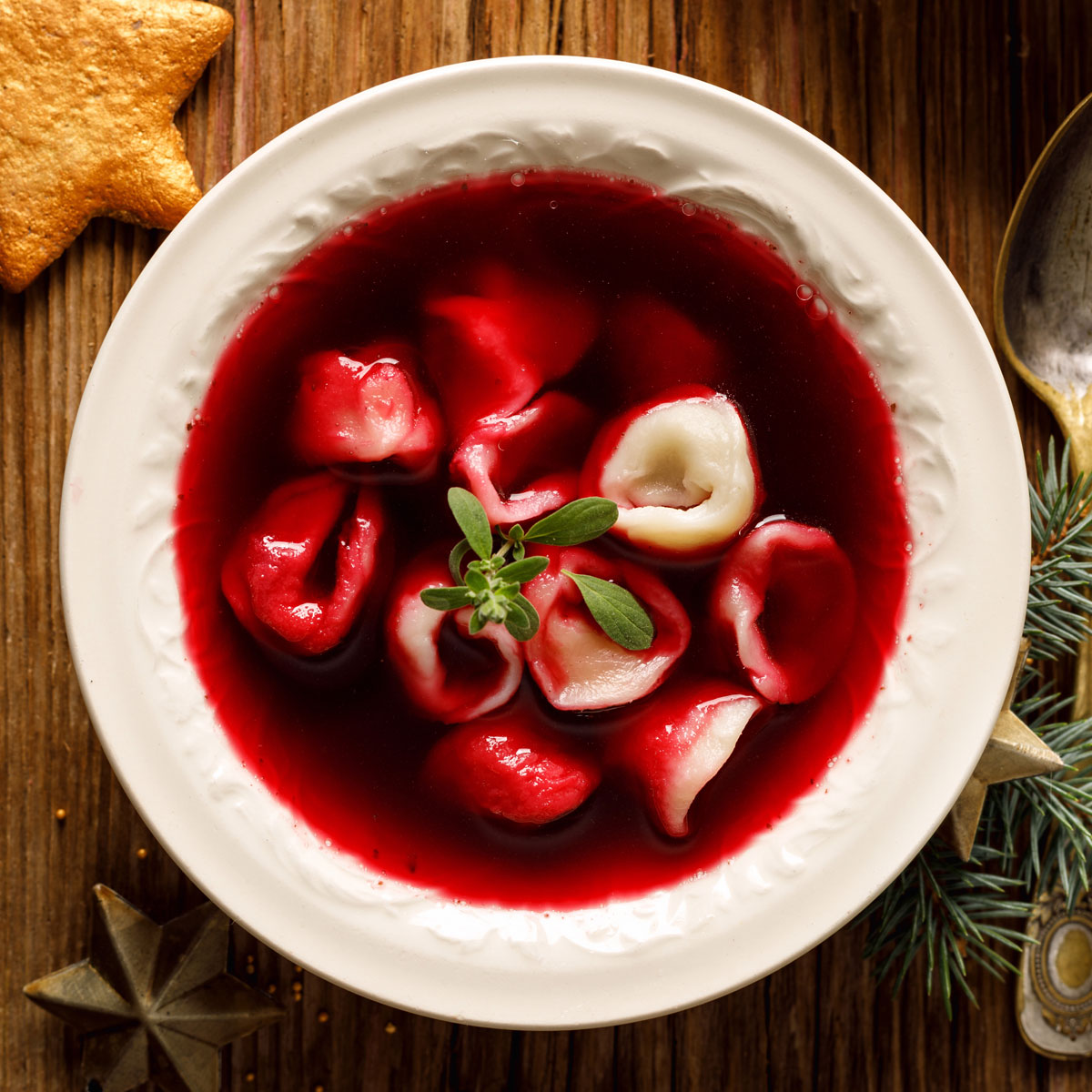
Barszcz (Beet Soup)

The deep, slightly tangy flavor comes from balancing the earthy sweetness of beets against acid—traditionally from a few days of gentle fermentation, though a quicker vinegar-based version works too.

Simplified Method

  1. Simmer peeled, quartered beets with garlic and a bay leaf in water or light broth until tender.
  2. Strain and season with a splash of vinegar or lemon juice, salt, and a touch of marjoram.
  3. For the traditional Wigilia version, add small mushroom-filled dumplings (uszka) just before serving.

Serving suggestion: Served hot, often as the opening course of a holiday meal.

Storage & reheating: Freezes well. Reheat gently on the stovetop rather than the microwave to keep the color vibrant.

Holiday tradition: The centerpiece of Wigilia, the Christmas Eve meatless feast.

Bowl of deep red Barszcz beet soup with dumplings

Prefer to leave the cooking to Wanda? Place your order today.
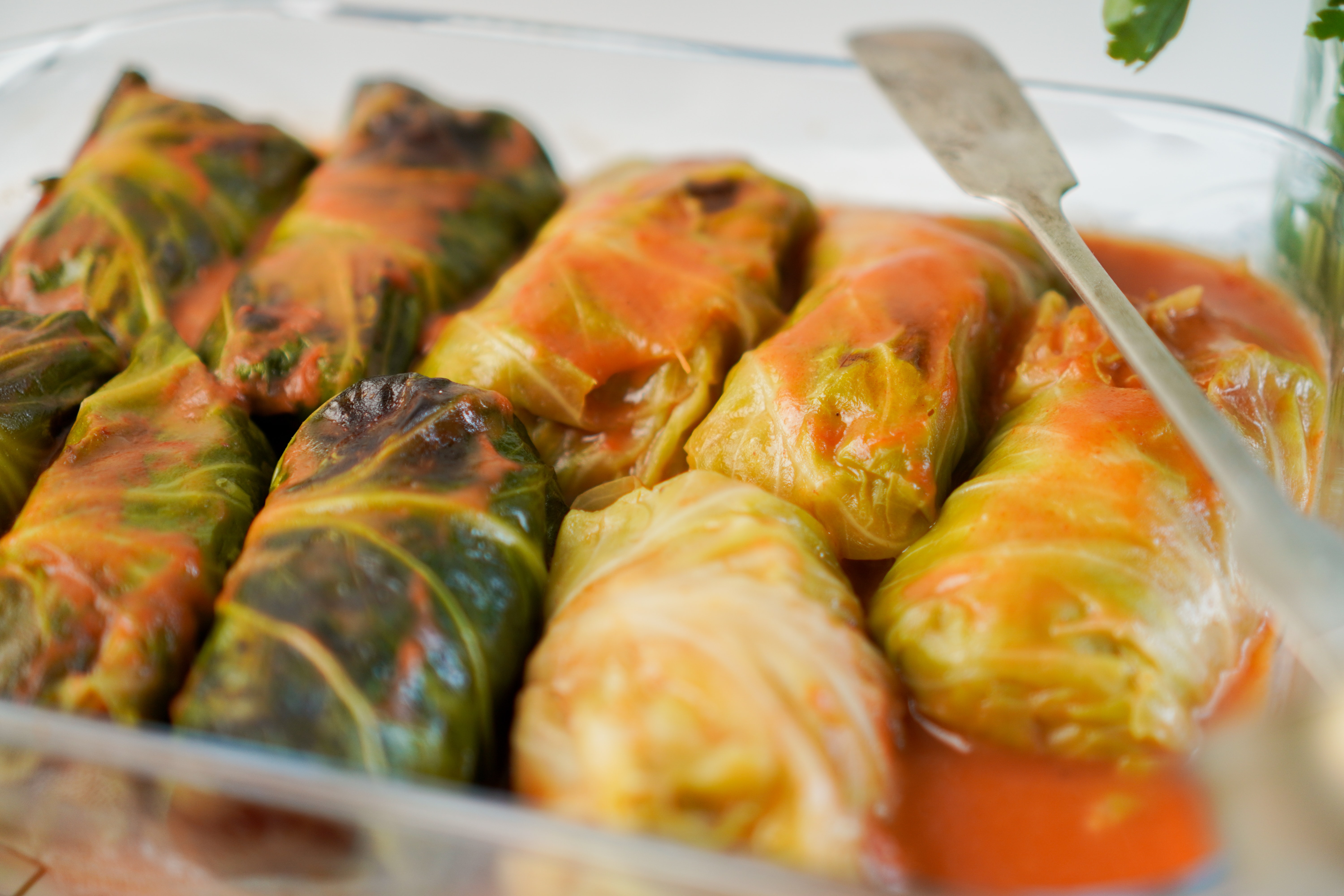
Golabki stuffed cabbage rolls in tomato sauce
Difficulty: Moderate · Prep Time: 1.5 hours

Gołąbki (Stuffed Cabbage Rolls)

The trick to good gołąbki is softening the cabbage leaves enough to roll without tearing, but not so much that they fall apart in the pot.

Simplified Method

  1. Core a head of cabbage and blanch in boiling water just until the outer leaves soften and peel away easily.
  2. Mix cooked rice with ground meat (or sautéed mushrooms for a vegetarian filling), onion, and seasoning.
  3. Spoon filling onto each leaf, fold in the sides, and roll snugly.
  4. Arrange in a pot, cover with tomato sauce, and simmer gently for about an hour.

Storage & reheating: Freezes beautifully, sauce and all. Reheat covered, low and slow, to avoid drying out the filling.

Prefer to leave the cooking to Wanda? Place your order today.
Difficulty: Easy · Prep Time: 15 minutes, plus resting

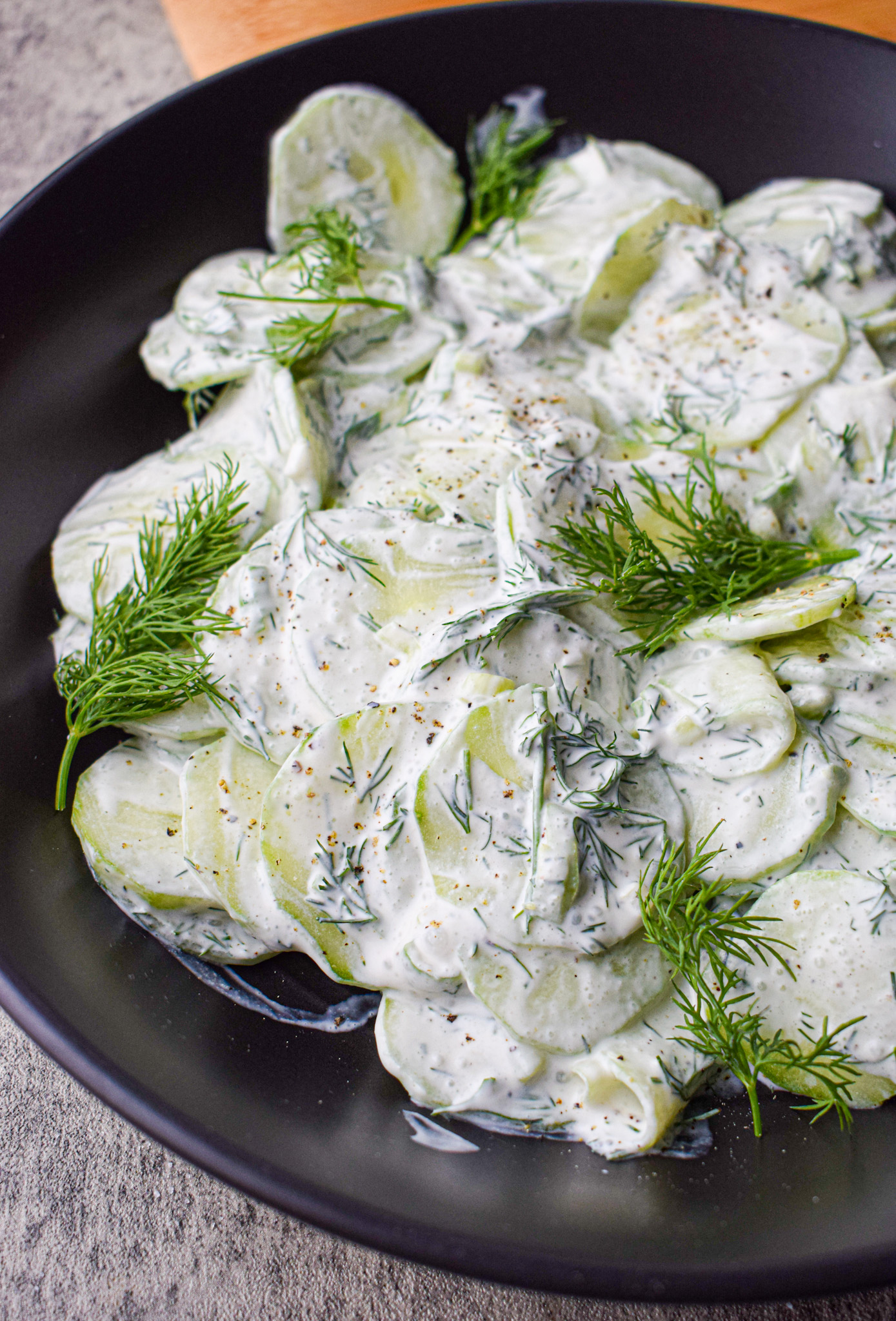
Mizeria (Cucumber Salad)

A short rest after salting the cucumbers is the one step worth not skipping—it draws out excess water so the salad doesn't turn watery.

Simplified Method

  1. Slice cucumbers very thin and toss with a little salt. Let sit 10–15 minutes, then gently squeeze out the released liquid.
  2. Stir in sour cream, a touch of vinegar, and plenty of fresh dill.
  3. Season with black pepper and chill briefly before serving.

Serving suggestion: A cool counterpoint to richer dishes like pierogi or bigos.

Storage & reheating: Best within a day—the cucumbers continue to release water the longer it sits.

Mizeria cucumber salad with sour cream and dill

Prefer to leave the cooking to Wanda? Place your order today.
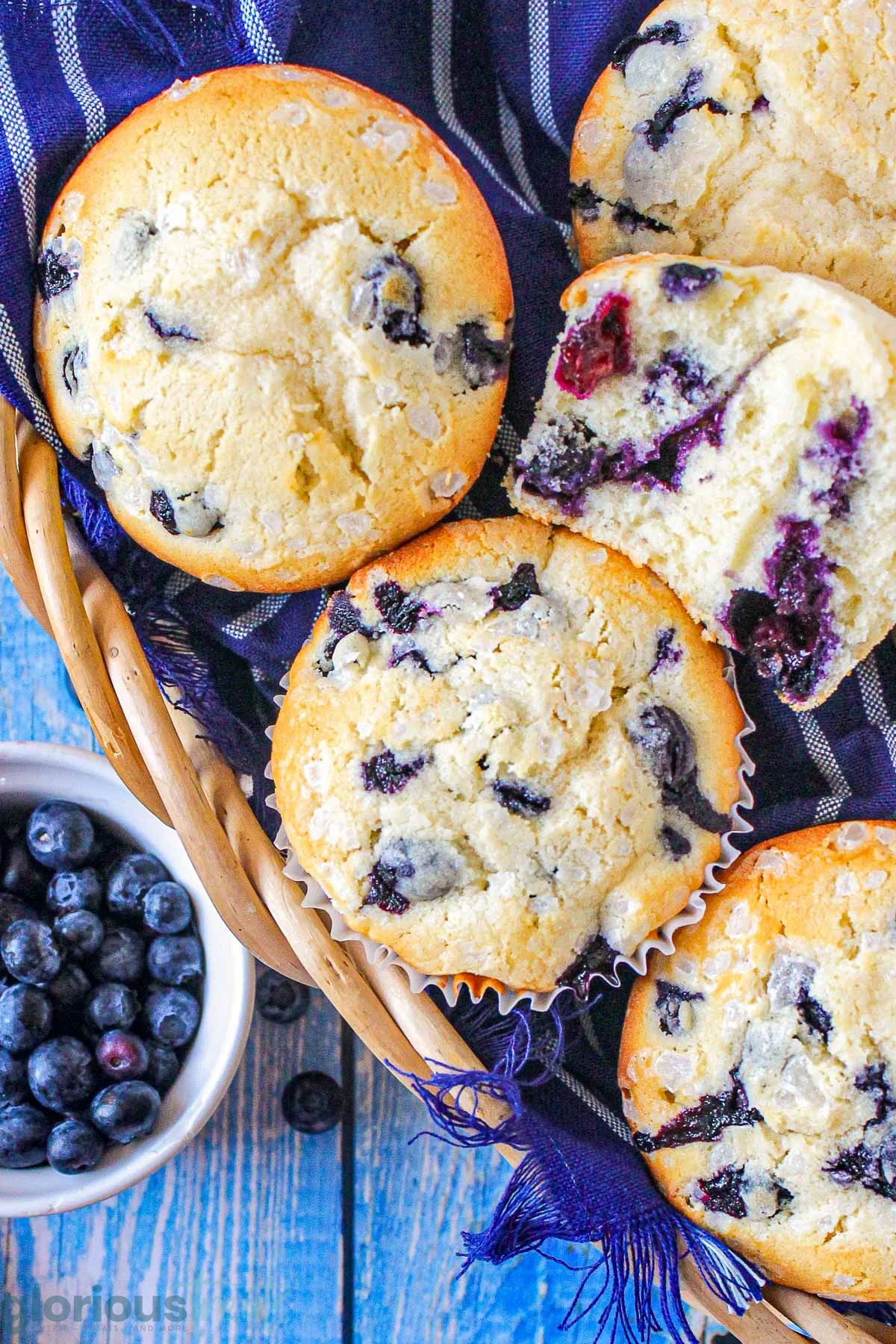
Freshly baked blueberry muffins
Difficulty: Easy · Prep Time: 45 minutes

Blueberry Muffins

Not a traditional Polish recipe, but a favorite in Wanda's kitchen all the same—simple, reliable, and always a hit.

Simplified Method

  1. Cream butter and sugar, then mix in eggs and a touch of lemon zest.
  2. Fold in flour and a splash of milk just until combined—overmixing makes muffins tough.
  3. Gently fold in fresh blueberries, tossed first in a little flour to keep them from sinking.
  4. Bake until golden and a toothpick comes out clean.

Storage & reheating: Keeps at room temperature for a couple of days, or freezes well individually wrapped.

Prefer to leave the cooking to Wanda? Place your order today.

General Tips

Storage & Reheating Basics

Dumplings & Soups

Pierogi and gołąbki freeze well uncooked or cooked. Soups like rosół and barszcz also freeze nicely—portion before freezing for easy reheating.

Baked Goods

Bread and kołaczki are best within a few days, stored at room temperature in a paper or cloth bag rather than plastic, which traps moisture.

Avoid the Microwave

Where possible, reheat in a pan or oven. It takes a few extra minutes but keeps the texture much closer to fresh.

Skip the Prep, Keep the Flavor

Every dish on the menu is made the way Wanda makes it at home—just without the dishes to wash.

View Menu